
How AI is Transforming Mineral Processing
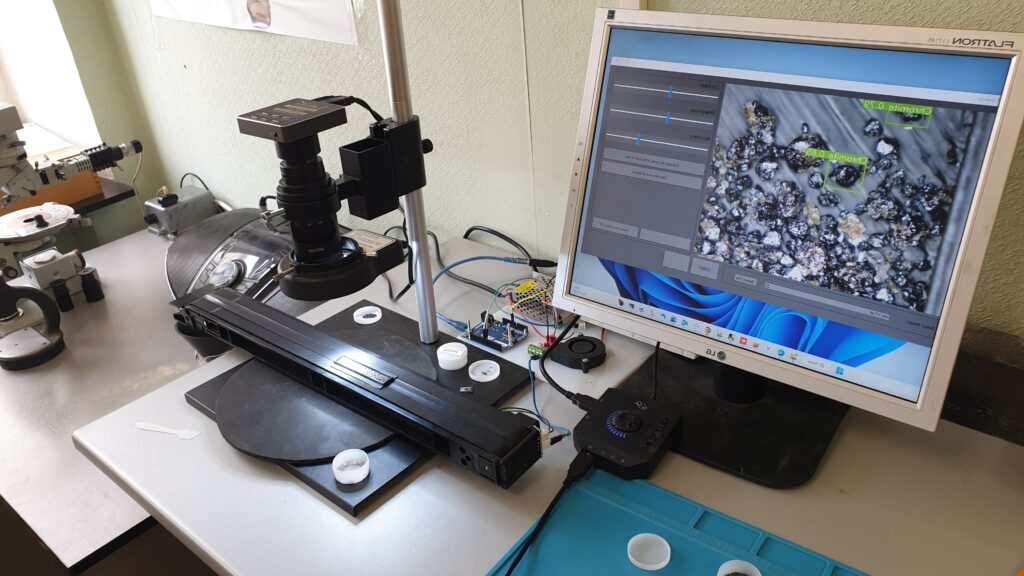
Artificial Intelligence (AI) is rapidly changing the landscape of mineral processing, offering smarter, faster, and more sustainable solutions. Traditionally, mineral processing relied on manual control systems and operator expertise, which, while effective, often left room for inefficiencies. Today, AI-driven tools are bridging that gap by enabling predictive insights, real-time monitoring, and optimized decision-making.
One of the most significant applications is in ore characterization and sorting. AI algorithms analyze data from imaging and sensors to identify mineral composition with greater precision. Companies like CNT Instruments highlight how advanced instrumentation, when paired with AI, enables automated detection of particle size distribution and mineral phases—leading to higher recovery rates and reduced waste.
AI is also reshaping process optimization. Machine learning models can predict grinding efficiency, flotation performance, and reagent consumption, helping operators fine-tune variables that were previously difficult to control in real-time (Choudhury et al., 2022; Goodfellow & Dimitrakopoulos, 2016). Beyond efficiency, AI enhances sustainability by reducing water and energy use, a growing priority for mining companies under environmental regulations (Li et al., 2022).
Moreover, the integration of AI with digital twins allows for virtual simulations of mineral plants, enabling proactive maintenance and risk reduction. This not only lowers operational costs but also ensures safety in complex industrial environments (Marais et al., 2023).
In short, AI is no longer an experimental tool but a core driver of innovation in mineral processing. With advancements from research and industry leaders like CNT Instruments, the sector is set to become smarter, cleaner, and more resilient.
